

+919272103335

Currently it only shows your basic business info. Start adding relevant business details such as description, images and products or services to gain your customers attention by using Boost 360 android app / iOS App / web portal.

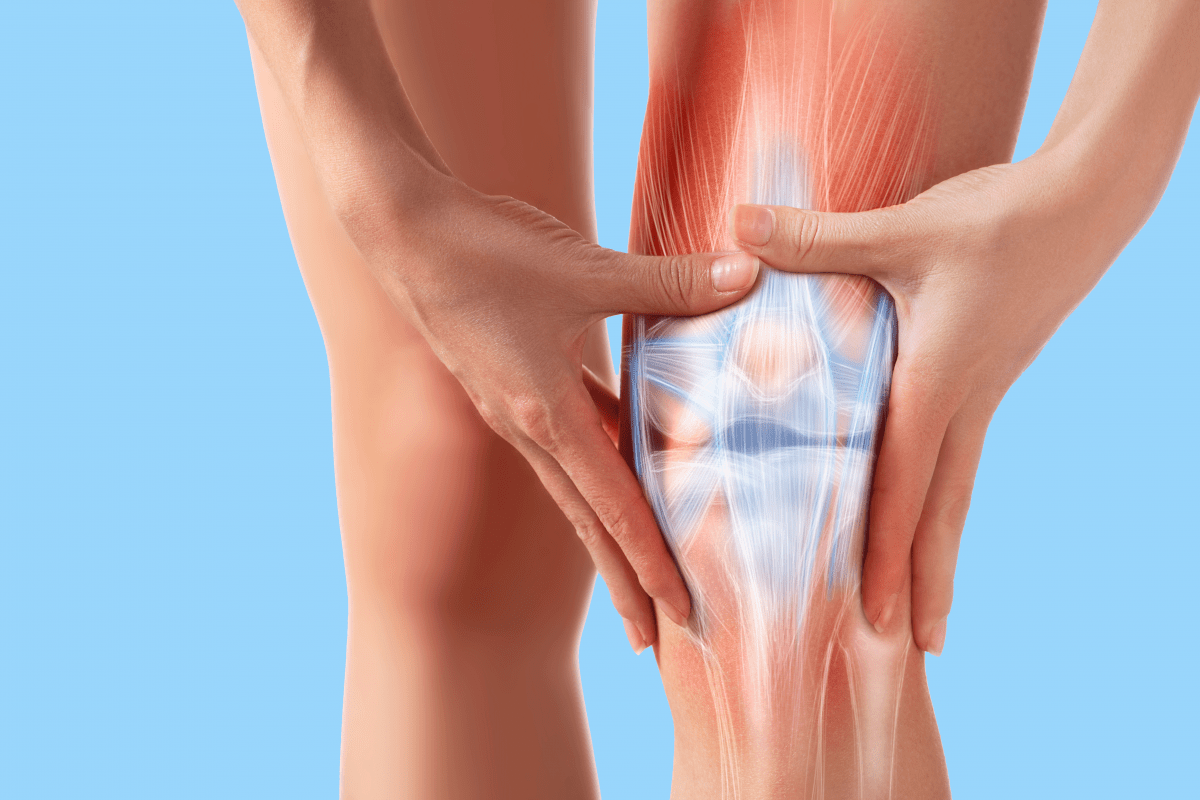
Knee Pain Management: Non-Surgical Options:- Knee pain is a widespread issue that affects people of all ages and lifestyles. Whether caused by injury, arthritis, or overuse, knee pain can significantly limit daily activities and reduce quality of life. Fortunately, various non-surgical treatments can effectively manage knee pain. This post will explore multiple methods to help you alleviate pain and improve knee health without surgery. #### Understanding Knee Pain Knee pain can arise from several sources, including: - *Injuries:* Common knee injuries include sprains, strains, ligament tears, and meniscus damage. - *Arthritis:* Conditions like osteoarthritis and rheumatoid arthritis can lead to chronic knee pain. - *Overuse:* Repetitive motion, excessive exercise, and physically demanding tasks can cause overuse injuries. - *Mechanical Problems:* Issues such as misalignment, improper footwear, and muscle imbalances can contribute to knee discomfort. #### Non-Surgical Management Options 1. *Rest and Activity Modification:* - Resting your knee and avoiding activities that cause pain is essential. Adjust your routine to minimize stress on your knee joint. 2. *Physical Therapy:* - A physical therapist can develop a tailored exercise program to strengthen the muscles around your knee, increase flexibility, and improve joint stability. Techniques such as manual therapy and ultrasound therapy may also be beneficial. 3. *Medications:* - Over-the-counter pain relievers like ibuprofen and acetaminophen can help reduce pain and inflammation. For more severe cases, doctors may prescribe stronger medications or topical treatments. 4. *Weight Management:* - Maintaining a healthy weight reduces the pressure on your knees. Weight loss can significantly alleviate knee pain and enhance overall joint health. 5. *Assistive Devices:* - Braces, orthotics, and supportive footwear can stabilize your knee and reduce pain during movement. 6. *Ice and Heat Therapy:* - Ice packs can decrease inflammation and numb pain, while heat therapy can relax muscles and improve circulation. 7. *Injections:* - Corticosteroid injections can provide temporary relief from inflammation and pain. In some cases, hyaluronic acid injections can lubricate the knee joint and alleviate pain. 8. *Lifestyle Modifications:* - Incorporating low-impact activities like swimming, cycling, and yoga can keep you active without stressing your knees. Avoid high-impact exercises that might exacerbate knee pain. 9. *Supplements:* - Some supplements, like glucosamine and chondroitin, may support joint health. Always consult with a healthcare provider before starting any new supplements. #### When to Seek Medical Attention While many cases of knee pain can be managed with non-surgical methods, it is crucial to seek medical attention if you experience: - Severe pain or swelling - Inability to bear weight on the knee - Visible deformity or instability - Signs of infection, such as redness, warmth, and fever - Persistent pain that does not improve with conservative treatments ### Conclusion Managing knee pain can be challenging, but numerous non-surgical options can help you alleviate symptoms and enhance your quality of life. Combining rest, physical therapy, medications, and lifestyle changes can provide effective relief and maintain knee health. If you have persistent or severe knee pain, consult a healthcare professional to explore your treatment options. At our clinic, we are dedicated to providing personalized, comprehensive care to help you achieve optimal knee health. Contact us today to schedule a consultation and take the first step toward a pain-free life.


