

+919272103335

Currently it only shows your basic business info. Start adding relevant business details such as description, images and products or services to gain your customers attention by using Boost 360 android app / iOS App / web portal.

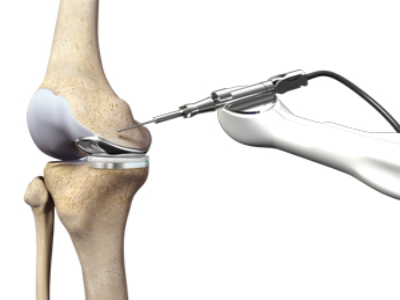
### Robotics-Assisted Total Knee Replacement: A Comprehensive Patient Guide *Introduction* Advancements in orthopedic surgery have been revolutionized by technology, particularly robotics-assisted total knee replacement (TKR). This guide offers detailed information about robotics-assisted TKR, including benefits, preparation, the surgical process, recovery, and potential risks. ### What is Robotics-Assisted Total Knee Replacement? Robotics-assisted total knee replacement involves using a robotic system to assist the surgeon in replacing a damaged or arthritic knee joint with an artificial implant. This robotic technology ensures precise and accurate guidance, resulting in better surgical outcomes. ### Benefits of Robotics-Assisted Total Knee Replacement - *Enhanced Precision*: Robotic systems enable precise bone removal and implant placement, improving the prosthesis's alignment and fit. - *Customization*: Preoperative planning with 3D imaging tailors the procedure to your knee's specific anatomy. - *Improved Outcomes*: Better alignment and fit can lead to improved function, reduced pain, and increased longevity of the implant. - *Minimally Invasive Options*: Robotics-assisted surgery can be minimally invasive, resulting in smaller incisions, less tissue damage, and faster recovery. ### Indications for Total Knee Replacement - *Severe Osteoarthritis*: Significant pain, stiffness, and reduced mobility due to knee joint degeneration. - *Rheumatoid Arthritis*: Autoimmune inflammation and damage to the knee joint. - *Post-Traumatic Arthritis*: Arthritis developing after a knee injury. - *Failed Previous Knee Surgery*: Revision of a failed knee prosthesis. ### Preoperative Preparation - *Medical Evaluation*: Comprehensive assessment by your orthopedic surgeon, including medical history, physical examination, and imaging studies (X-rays, MRI, or CT scans). - *Preoperative Planning*: 3D imaging creates a detailed surgical plan tailored to your knee's anatomy. - *Preoperative Instructions*: Guidelines on medications, fasting, and exercises to strengthen the knee muscles. ### The Surgical Process 1. *Anesthesia*: The surgery is performed under general or spinal anesthesia. 2. *Incision*: A small incision is made over the knee. 3. *Bone Preparation*: The robotic system helps the surgeon precisely remove damaged bone and cartilage. 4. *Implant Placement*: The robotic arm assists in accurately placing the artificial knee components. 5. *Closure*: The incision is closed with sutures or staples, and a sterile dressing is applied. ### Recovery and Rehabilitation - *Hospital Stay*: Most patients stay in the hospital for 1-3 days after surgery. - *Pain Management*: Medications to control pain and reduce inflammation. - *Physical Therapy*: A structured rehabilitation program starts with gentle range-of-motion exercises and progresses to strengthening activities. - *Home Care*: Instructions on wound care, activity modifications, and the use of assistive devices (e.g., crutches or a walker). - *Follow-Up*: Regular appointments with your surgeon to monitor progress and address concerns. ### Potential Risks and Complications - *Infection*: Rare, but may require additional treatment. - *Blood Clots*: Preventative measures include compression stockings, blood thinners, and early mobilization. - *Implant Issues*: Loosening, wear, or failure of the implant may necessitate revision surgery. - *Nerve or Blood Vessel Injury*: Rare but possible complications during surgery. - *Stiffness*: Physical therapy is crucial in preventing and managing postoperative stiffness. ### Conclusion Robotics-assisted total knee replacement is a cutting-edge surgical option offering enhanced precision, customization, and potentially better outcomes compared to traditional techniques. Proper preparation, adherence to postoperative rehabilitation, and regular follow-up with your healthcare team are essential for a successful recovery. Consult with your orthopedic surgeon to determine if robotics-assisted total knee replacement is the right option for you and to develop a personalized treatment plan tailored to your specific needs. #robotics-assistedtotalkneereplacement #kneesurgery #kneereplacement #orthopedicsurgery #kneearthritis #kneepain #roboticsurgery #kneerehabilitation #kneeimplant #kneerecovery #BestOrthopedicSurgeoninBalewadi #BestOrthopedicSurgeoninBaner #BestRobotickneereplacementsurgeoninBaner


