

+919272103335

Currently it only shows your basic business info. Start adding relevant business details such as description, images and products or services to gain your customers attention by using Boost 360 android app / iOS App / web portal.

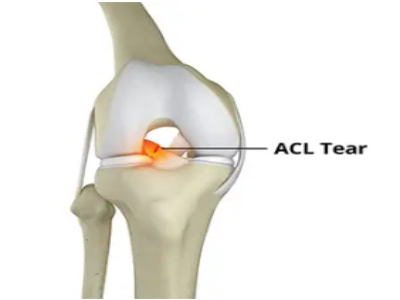
Understanding ACL Tears: A Patient Information Booklet *Introduction* An Anterior Cruciate Ligament (ACL) tear is a common knee injury, particularly among athletes and physically active individuals. This comprehensive guide provides detailed information on ACL tears, including causes, symptoms, diagnosis, treatment options, and prevention strategies. Whether you're an athlete or just someone seeking to understand more about ACL injuries, this booklet is designed to help you. ### What is an ACL Tear? The Anterior Cruciate Ligament (ACL) is one of the key ligaments in your knee. It helps stabilize your knee joint by preventing the shinbone (tibia) from sliding out in front of the thighbone (femur). An ACL tear occurs when this ligament is overstretched or torn, either partially or completely. ### Causes of ACL Tears Understanding the causes of ACL tears can help in prevention: - *Sports Activities*: High-impact sports that involve sudden stops, jumps, or changes in direction (like soccer, basketball, and skiing) are common culprits. - *Direct Trauma*: A hard blow to the knee, such as during a football tackle, can cause an ACL tear. - *Improper Landing*: Landing awkwardly from a jump can overstretch the ACL. - *Pivoting Movements*: Twisting your knee while your foot is firmly planted can lead to a tear. ### Symptoms of ACL Tears Recognizing the symptoms of an ACL tear is crucial for early treatment: - *Immediate Pain*: Severe pain at the moment of injury, often described as a "popping" sensation. - *Swelling*: Rapid swelling within hours of the injury. - *Instability*: Feeling like your knee is "giving way" or is unstable. - *Limited Range of Motion*: Difficulty bending or straightening your knee. - *Tenderness*: Pain and tenderness along the joint line. ### Diagnosis of ACL Tears Diagnosis typically involves several steps to confirm an ACL tear: - *Medical History and Physical Examination*: Your doctor will ask about your symptoms and how the injury occurred, and perform specific knee tests (like the Lachman test) to assess stability. - *Imaging Studies*: An MRI is often used to confirm the diagnosis and check for any additional injuries, such as meniscus tears. ### Treatment Options for ACL Tears There are various treatment options for ACL tears, both surgical and non-surgical: *Non-Surgical Treatments* - *Rest and Activity Modification*: Avoid activities that worsen your pain. - *Physical Therapy*: Exercises to strengthen the muscles around your knee and improve stability. - *Bracing*: Wearing a knee brace can support your joint and prevent further injury. - *Medications*: Nonsteroidal anti-inflammatory drugs (NSAIDs) can help reduce pain and inflammation. *Surgical Treatments* - *ACL Reconstruction*: The torn ligament is removed and replaced with a graft made from a tendon (either from your own body or a donor). This is the most common surgical treatment for ACL tears. - *Arthroscopic Surgery*: A minimally invasive technique using small incisions and a camera to guide the surgery. ### Rehabilitation and Recovery for ACL Tears A structured rehabilitation program is essential for recovery: *Post-Surgery Rehabilitation* - *Phase 1: Immediate Postoperative Phase*: Focus on reducing swelling and regaining knee motion. - *Phase 2: Early Recovery Phase*: Gradually introduce weight-bearing and strengthening exercises. - *Phase 3: Advanced Recovery Phase*: Engage in more intensive strengthening and functional exercises. - *Phase 4: Return to Activity*: Begin sport-specific training and gradually return to high-demand activities. *Home Exercises*: Regularly performing prescribed exercises at home helps maintain progress. *Follow-Up*: Regular appointments with your surgeon will monitor your progress and address any concerns. ### Prevention of ACL Tears Preventing ACL tears involves several proactive strategies: - *Strength Training*: Strengthen the muscles around your knee, particularly the hamstrings and quadriceps. - *Proper Techniques*: Learn and use proper techniques for jumping, landing, and pivoting. - *Flexibility*: Maintain good flexibility through regular stretching. - *Balance Exercises*: Improve your balance and proprioception to enhance joint stability. - *Protective Gear*: Use appropriate footwear and consider wearing a knee brace during high-risk activities. ### When to Seek Medical Help Knowing when to seek medical help can prevent further damage: - *Persistent Pain*: If your knee pain persists or worsens despite home treatments. - *Instability*: If you experience repeated instances of your knee giving way. - *Swelling and Stiffness*: If swelling and stiffness do not improve with rest and ice. *Disclaimer*: This information booklet is intended for educational purposes only and should not replace professional medical advice. Always consult your healthcare provider for personalized medical advice and treatment.


