

+919272103335

Currently it only shows your basic business info. Start adding relevant business details such as description, images and products or services to gain your customers attention by using Boost 360 android app / iOS App / web portal.

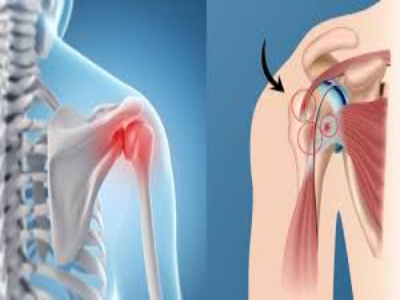
### Understanding Impingement Syndrome: Causes, Symptoms, and Treatments *Introduction* Impingement syndrome, also known as shoulder impingement, is a common condition where the tendons of the rotator cuff and the bursa (a fluid-filled sac that cushions the joint) are compressed or "impinged" during shoulder movements. This can lead to pain, inflammation, and restricted shoulder function. ### What is Impingement Syndrome? Impingement syndrome occurs when the space between the acromion (part of the shoulder blade) and the rotator cuff narrows, causing the tendons and bursa to become pinched. Over time, this can result in tendonitis, bursitis, or even rotator cuff tears. ### Causes of Impingement Syndrome - *Repetitive Overhead Activities*: Sports or occupations that involve frequent overhead movements (e.g., swimming, tennis, painting) can lead to impingement. - *Anatomical Variations*: Certain structural features, such as a curved or hooked acromion, can predispose individuals to impingement. - *Poor Posture*: Slouching or forward head posture can alter shoulder mechanics and contribute to impingement. - *Aging*: Degenerative changes in the shoulder joint and tendons over time can increase the risk of impingement. ### Symptoms of Impingement Syndrome - *Pain*: Often felt on the front or side of the shoulder, especially during lifting or reaching overhead. - *Weakness*: Reduced strength in the affected shoulder, making it difficult to lift or rotate the arm. - *Limited Range of Motion*: Difficulty raising the arm or reaching behind the back. - *Night Pain*: Discomfort when lying on the affected shoulder, which can disrupt sleep. ### Diagnosis of Impingement Syndrome Diagnosis typically involves: - *Medical History and Physical Examination*: A thorough review of symptoms and activities, combined with specific shoulder tests. - *Imaging Studies*: X-rays, MRI, or ultrasound may be used to visualize the structures of the shoulder and confirm the diagnosis. ### Treatment Options for Impingement Syndrome *Non-Surgical Treatments* - *Rest and Activity Modification*: Avoid activities that exacerbate the pain. - *Physical Therapy*: Exercises to strengthen the rotator cuff and scapular muscles, improve flexibility, and correct posture. - *Medications*: Nonsteroidal anti-inflammatory drugs (NSAIDs) can help reduce pain and inflammation. - *Injections*: Corticosteroid injections may provide temporary relief from pain and inflammation. - *Ice Therapy*: Applying ice packs to the affected area can help reduce inflammation and pain. *Surgical Treatments* - *Arthroscopic Subacromial Decompression*: Minimally invasive surgery to remove bone spurs and other structures causing impingement. - *Open Surgery*: In some cases, traditional open surgery may be necessary to address more complex issues. ### Rehabilitation and Recovery for Impingement Syndrome Post-treatment rehabilitation is crucial for recovery. A structured physical therapy program can help restore strength and range of motion. The rehabilitation process typically involves: - *Phase 1: Pain Relief and Inflammation Reduction*: Focus on rest, ice, and gentle stretching. - *Phase 2: Restoring Range of Motion*: Gradual introduction of exercises to improve flexibility and shoulder mobility. - *Phase 3: Strengthening Exercises*: Building strength in the rotator cuff and scapular muscles to support shoulder function. - *Phase 4: Functional Training*: Incorporating exercises that mimic daily activities and sports-specific movements to ensure a full return to normal activities. ### Prevention of Impingement Syndrome - *Maintain Good Posture*: Practice proper posture to reduce strain on the shoulder. - *Strengthen Shoulder Muscles*: Regularly perform exercises to strengthen the rotator cuff and scapular muscles. - *Avoid Repetitive Overhead Activities*: Take frequent breaks and use proper techniques when engaging in overhead activities. - *Warm Up Properly*: Before engaging in physical activities, ensure you warm up to prepare your muscles and joints. ### Conclusion Impingement syndrome can be a painful and limiting condition, but with proper diagnosis and treatment, most individuals can regain shoulder function and alleviate pain. Non-surgical treatments, including physical therapy and activity modification, are often effective, while surgical options are available for more severe cases. Consult with your healthcare provider for a personalized treatment plan tailored to your specific needs. #impingementsyndrome #shoulderimpingement #shoulderpain #rotator cuff #shouldertreatment #shoulderrehabilitation #shouldersurgery #shoulderexercises #impingementprevention


