

+919272103335

Currently it only shows your basic business info. Start adding relevant business details such as description, images and products or services to gain your customers attention by using Boost 360 android app / iOS App / web portal.

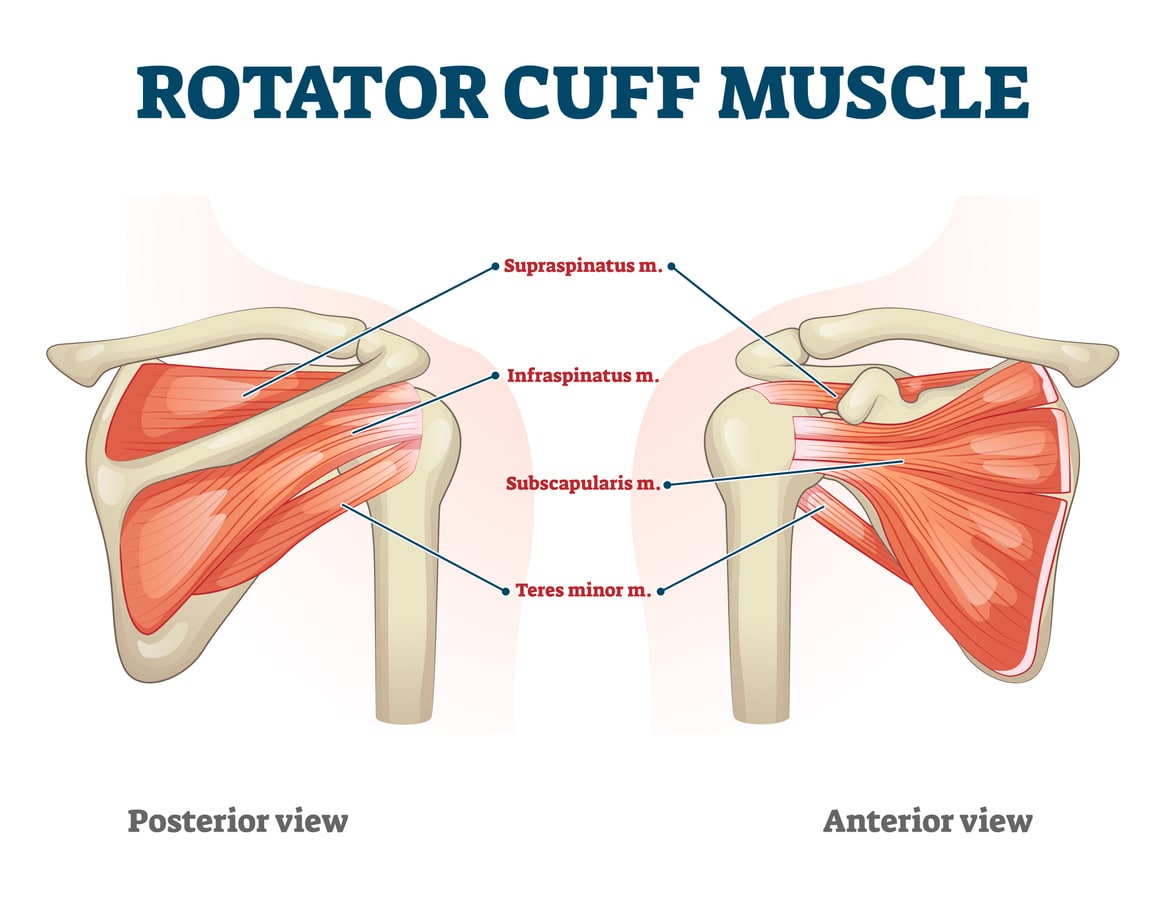
Understanding Rotator Cuff Tears: Causes, Symptoms, and Treatments Introduction The rotator cuff is a group of four muscles and their tendons that stabilize the shoulder joint and enable a wide range of shoulder movements. A rotator cuff tear can significantly impact shoulder function and overall quality of life. What is a Rotator Cuff Tear? A rotator cuff tear occurs when one or more of the tendons in the rotator cuff are torn, either partially or completely. This condition can result from acute injury or degenerative changes over time, affecting shoulder mobility and causing pain. Causes of Rotator Cuff Tears Acute Injury: Sudden trauma, such as falling on an outstretched arm or lifting something too heavy, can cause a rotator cuff tear. Degenerative Changes: Over time, wear and tear can weaken the tendons, leading to tears, especially in individuals over 40. Repetitive Stress: Repetitive overhead activities, such as painting or playing tennis, can stress the rotator cuff tendons and lead to tears. Symptoms of Rotator Cuff Tears Pain in the shoulder, particularly at night or when lying on the affected side Weakness in the shoulder, making it difficult to lift or rotate the arm A crackling sensation when moving the shoulder Limited range of motion Difficulty performing daily activities, such as combing hair or reaching overhead Diagnosis of Rotator Cuff Tears Diagnosis typically involves a combination of a medical history review, physical examination, and imaging tests. Common imaging techniques include X-rays, MRI, or ultrasound to confirm the tear and assess its severity. Treatment Options for Rotator Cuff Tears Non-Surgical Treatments: Rest: Avoid activities that exacerbate the pain. Physical Therapy: Exercises to strengthen the shoulder muscles and improve flexibility. Medications: NSAIDs can help reduce pain and inflammation. Injections: Corticosteroid injections may provide temporary relief from pain and inflammation. Surgical Treatments: Arthroscopic Repair: Minimally invasive surgery to reattach the torn tendon. Open Repair: Traditional surgery where a larger incision is made to repair the tear. Tendon Transfer: If the tendon is severely damaged, another tendon may be used to replace it. Shoulder Replacement: In severe cases with massive tears and arthritis, shoulder replacement might be recommended. Rehabilitation and Recovery for Rotator Cuff Tears Post-treatment rehabilitation is crucial for recovery. A structured physical therapy program can help restore strength and range of motion. Recovery time varies depending on the severity of the tear and the type of treatment but generally ranges from several weeks to several months. Prevention of Rotator Cuff Tears Maintain good shoulder strength and flexibility through regular exercise. Avoid repetitive overhead activities or take frequent breaks. Use proper techniques when lifting heavy objects. Warm up properly before engaging in physical activities. Conclusion A rotator cuff tear can be a painful and debilitating condition, but with proper diagnosis and treatment, most individuals can regain shoulder function and alleviate pain. Consult with your healthcare provider for a personalized treatment plan tailored to your specific needs. rotator cuff tear shoulder pain rotator cuff injury shoulder injury shoulder treatment rotator cuff rehabilitation shoulder surgery rotator cuff symptoms shoulder exercises rotator cuff prevention


